Veera Apparel
Lifestyle Activewear Venture
Comfort-first activewear with subtle cultural identity. Not costume, not cliché, just confidently expressive.
Overview
Veera was a lifestyle activewear brand I founded in 2024. The idea was premium, minimal clothing that carries cultural identity quietly, built for everyday wear and not only for events or the gym.
We took it from concept through market discovery, a design system, supplier sourcing, and a small run of shirts that went to beta customers. We then closed it. The product did not stand apart enough from what people already wore, and the market need for ethnic design athletic wear was not there. This page covers what we built and how we reached that call.
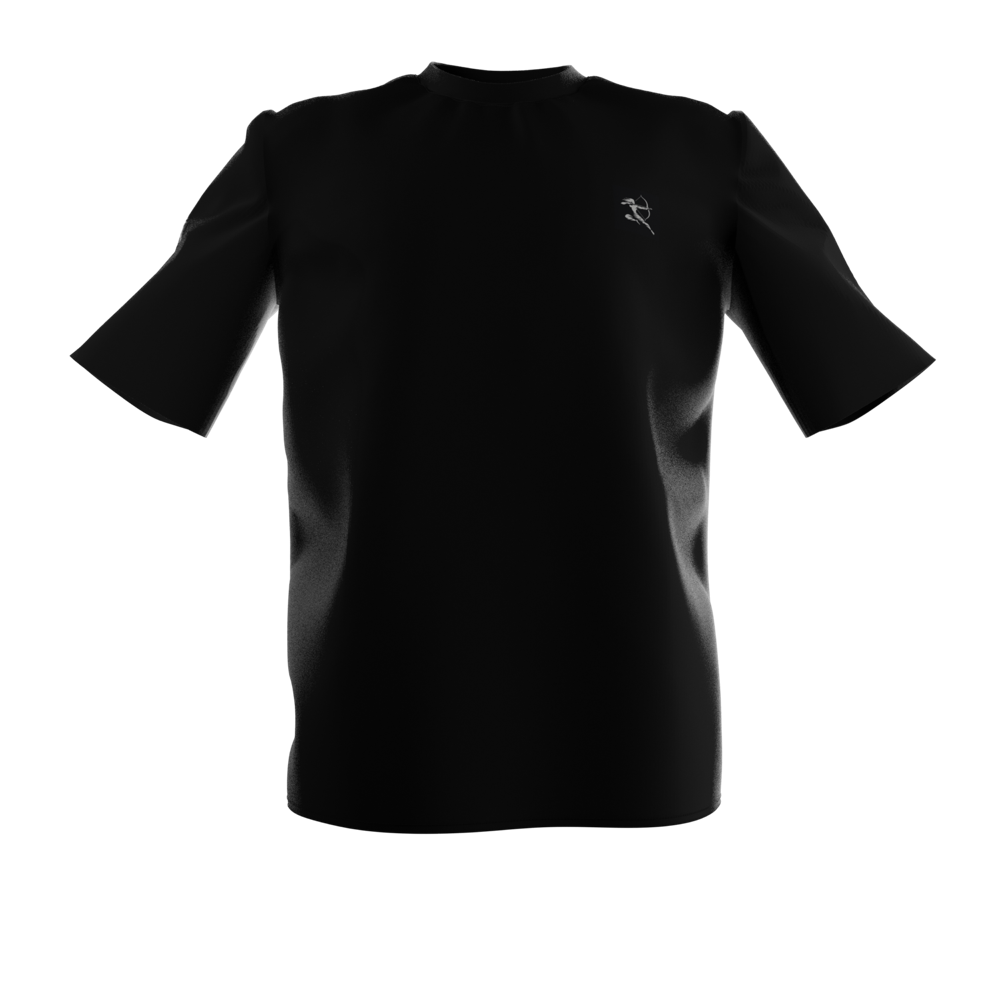 Front of tee
Customer's Challenge
People who want their clothes to say something about where they come from have two choices. Premium activewear looks great and says nothing. Cultural apparel says a lot, but it is loud, graphic heavy, and saved for events. Nothing sat in between that you could wear to the gym, to a café, and to work on the same day.
Looks good, but too loud to wear casually.
Tester, on the first graphic-based conceptsWhat we did
- Interviewed 50+ early potential users, including fitness creators, young professionals, and models, on comfort, fit, and cultural expression
- Analyzed premium activewear brands (Lululemon, Alo, Gymshark) to compare tone, brand language, and perception of quality
- Identified an opportunity in understated cultural identity, as opposed to bold graphics or printed symbolism
Deliverables: a problem statement, target persona profiles, and brand positioning axes running from minimal to loud and from lifestyle to performance.
Persona
The Young Professional
We spoke with three groups: fitness creators, young professionals, and models. The young professional is shown in full because they wear the same pieces across the most settings.
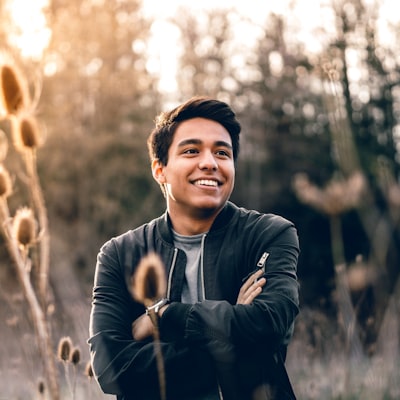
Age: 27Work: Hybrid office jobTrains: 4 days a weekWears: Activewear most days
Personality
Bio
Lives in gym clothes that pass for casual wear. Proud of his background, but does not want to wear it as a print across his chest.
Goals
- One wardrobe for gym, café, and weekend
- Clothes that feel premium
- A quiet nod to identity
Frustrations
- Cultural designs that feel like costume
- Thin fabric that loses shape in the wash
- Logos that shout
How persona discovers the product
Fitness creators, friends, a waitlist page.
How persona uses the product
Wears it to train, keeps it on for the rest of the day.
Motivations
Customer Journey
From first look to everyday wear
As someone who wears activewear every day, I want pieces that feel premium and carry my identity quietly, so that I can wear them anywhere without feeling like I am in costume.
Define
Discovery narrowed the problem to one tension. People liked the idea of cultural expression, and they would not wear it if it was loud. So the design question became how little you can show and still mean something.
- How might we express cultural identity in a way people will wear on an ordinary day?
- How might we prove people want it without producing inventory first?
Ideation
We explored how to show identity, what to make it from, and how to get it made. The loud options were tested first and cut on user feedback.
Prototype and User Testing
Focus was on fabric feel, premium perception, and whether we could manufacture at small scale.
| Area | Key focus |
|---|---|
| Material testing | Evaluated cotton-spandex and bamboo blends for softness, stretch, and wash durability |
| Cost modeling | Created a small-batch feasibility plan for a 50 to 100 unit drop |
| Brand testing | Compared subtle symbolic accents against cultural graphic printing |
| Supplier research | Researched suppliers locally and across the globe |
- Explored strong cultural illustration and printed motifs
- Built mockups in Illustrator and Figma to test placement and identity
- Users said it looked good but was too loud to wear casually
- Refined into clean silhouettes and tone-on-tone symbolic elements
- Matte textures, subtle cultural accents, premium feel
- Design System v1: a soft neutral palette of charcoal, stone, and deep navy, minimal branding, and placement rules for symbolic micro-elements
- Tried printing designs on our own locally
- Compared local and overseas suppliers
- Partnered with a supplier in India
- Gave a few shirts to beta customers
Chest mark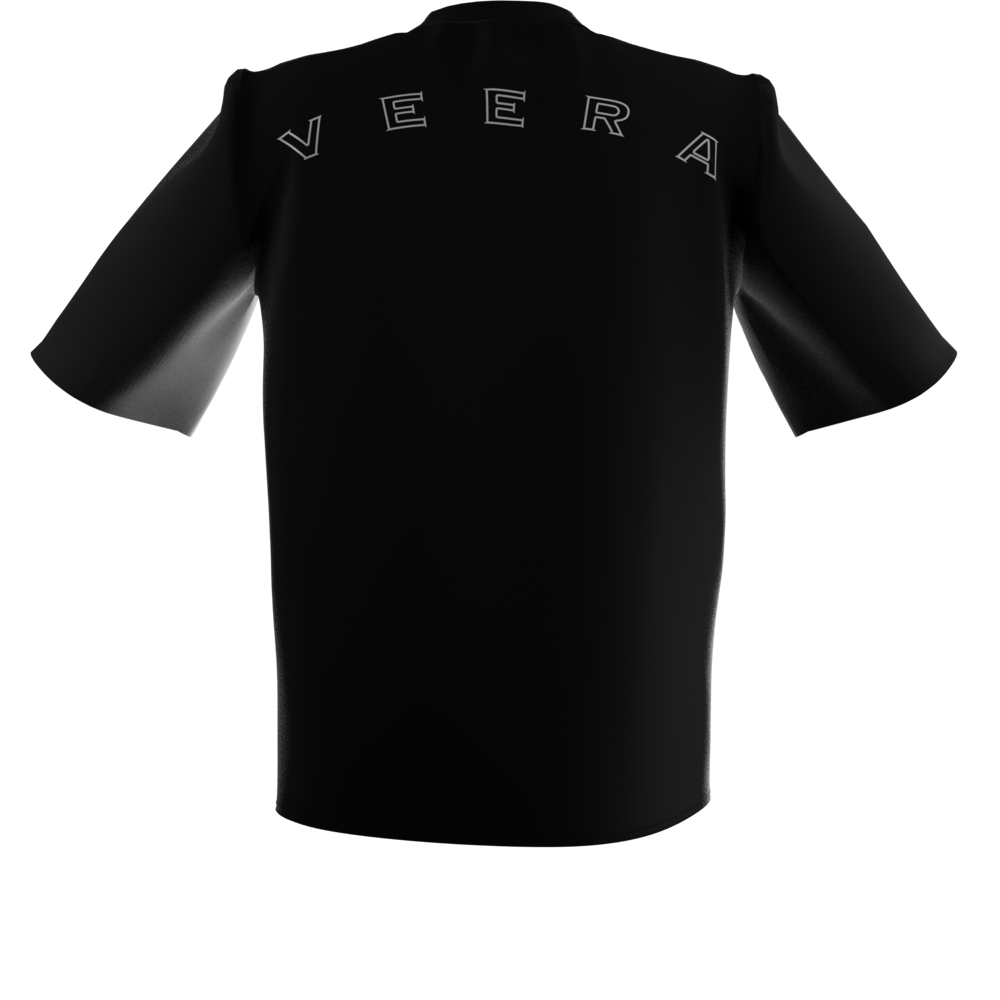 Outlined wordmark
What testing told us
| Insight | Impact |
|---|---|
| People want premium minimal more than bold ethnic designs | Shifted away from graphic imagery toward tone-based accents |
| Fabric feel signals quality | Limited materials to mid-weight cotton and cotton-spandex blends |
| Cultural identity must be subtle, not loud | Established symbolic over literal cultural designs |
| Once it was subtle, it did not stand apart from other premium basics | No clear differentiation. Closed the business after beta |
Alongside the product we created lifestyle concept visuals for gym, café, and everyday casual settings, a brand story centered on subtle identity, comfort, and self-expression, and an early go-to-market concept of waitlist, concept testing, and influencer sampling. Deliverables: brand story, MVP concept brief, and a design system snapshot.
User Stories and Acceptance Criteria
Risks and Outcome
Why we closed it
What I learned
- Subtlety is a strategy, not just a design choice. It also has a cost: the subtler the identity, the harder it is to stand out.
- Fabric is the MVP in apparel.
- You can validate desirability without producing inventory.
Pricing Strategy
- Positioned as premium, next to brands like Lululemon, Alo, and Gymshark.
- No retail price was set. Beta shirts were given away.
- Small-batch drops of 50 to 100 units, sold direct.
Lean Business Model Canvas
- Tone-on-tone symbolic accents
- Neutral palette
- Premium cotton blends
- Lululemon, Alo, Gymshark
- Graphic cultural apparel
- Beta feedback
- Waitlist signups
- Sell-through of a first drop
- Veera = premium activewear with a quiet cultural mark
- Waitlist
- Influencer sampling
- Story-first marketing
- Beta customers
- Fitness creators